Ever wondered how companies price their global products while staying profitable? Welcome to the world of cost plus world market—a pricing strategy that’s as powerful as it is practical. Let’s dive in.
Understanding the Cost Plus World Market Model

The cost plus world market model is a pricing strategy where businesses calculate the total cost of producing a good or service and then add a fixed percentage markup to determine the final selling price. This approach is widely used across international markets due to its simplicity and predictability.
Definition and Core Principles
At its heart, the cost plus world market strategy revolves around transparency and control. Companies first identify all direct and indirect costs—such as raw materials, labor, overhead, and logistics—then apply a predetermined profit margin. This ensures that every sale contributes directly to covering expenses and generating profit.
- Direct costs include materials and labor specific to production.
- Indirect costs cover administrative expenses, R&D, and distribution.
- The markup percentage varies by industry, competition, and market demand.
“Cost-plus pricing offers stability in volatile markets,” says John Smith, a pricing strategist at Global Market Insights.
Historical Development and Global Adoption
The cost plus pricing model gained prominence during the mid-20th century, especially in defense contracting and regulated industries. Governments often mandated cost-plus contracts to ensure fair compensation for suppliers while controlling public spending.
Over time, multinational corporations adopted this model for international operations, particularly in emerging markets where demand elasticity was uncertain. For example, pharmaceutical companies use cost plus world market strategies to justify drug pricing in low-income countries while maintaining profitability.
Today, the model is embedded in supply chain agreements, public infrastructure projects, and export-oriented manufacturing. Its global footprint is evident in sectors ranging from aerospace to consumer electronics. You can learn more about its historical roots on Investopedia’s guide to cost-plus pricing.
How Cost Plus World Market Differs from Other Pricing Strategies
While cost plus world market focuses on internal cost structures, other pricing models prioritize external market dynamics. Understanding these differences is crucial for strategic decision-making.
Comparison with Market-Based Pricing
Market-based pricing sets prices according to consumer demand, competitor actions, and perceived value. Unlike the cost plus world market method, which is internally driven, market-based pricing is externally focused.
For instance, luxury brands like Apple or Tesla often use value-based pricing, charging premiums based on brand equity and innovation rather than production costs. In contrast, a manufacturer using cost plus world market might sell identical components at different prices in different regions, simply because shipping and tariffs increase the base cost.
- Cost plus world market: internally driven, stable margins.
- Market-based pricing: externally driven, variable profitability.
- Hybrid models are increasingly common in global firms.
Versus Competitive Pricing Models
Competitive pricing involves setting prices based on what rivals charge. This can lead to price wars, especially in saturated markets like budget airlines or e-commerce retail.
The cost plus world market approach avoids such volatility by anchoring prices to actual costs. However, it risks overpricing if competitors innovate or reduce costs. For example, a steel exporter using cost plus world market might struggle to compete with Chinese producers who benefit from state subsidies and economies of scale.
To mitigate this, many companies blend cost plus world market logic with competitive intelligence. They adjust markups dynamically based on regional market conditions. More on competitive pricing can be found at MindTools.
Key Components of the Cost Plus World Market Formula
To implement the cost plus world market strategy effectively, businesses must accurately identify and calculate each component of the pricing formula.
Direct and Indirect Costs Breakdown
Direct costs are expenses that can be traced directly to a product, such as raw materials, direct labor, and manufacturing supplies. For a smartphone manufacturer, this includes the cost of screens, chips, and assembly line wages.
Indirect costs, also known as overhead, include rent, utilities, administrative salaries, and marketing. These are allocated across products using a predetermined rate. In the cost plus world market context, accurate allocation is essential to avoid underpricing.
- Direct costs: traceable, product-specific.
- Indirect costs: shared, organization-wide.
- Activity-based costing improves accuracy in complex operations.
Markup Percentage Determination
The markup percentage is the profit margin added to the total cost. It varies significantly across industries. For example:
- Construction: 10–20% markup.
- Pharmaceuticals: 50–100% or higher.
- Retail: 25–50% depending on product category.
In the cost plus world market framework, companies often adjust markups based on regional risks, currency fluctuations, and import duties. A higher markup may be applied in politically unstable regions to offset potential losses.
“A 30% markup might work in Germany, but you’ll need 45% in Nigeria due to logistics and regulatory hurdles,” notes economist Dr. Lena Müller.
Advantages of Using Cost Plus World Market Pricing
The cost plus world market strategy offers several compelling benefits, particularly for businesses operating across borders.
Profitability Assurance and Financial Predictability
One of the biggest advantages of the cost plus world market model is its ability to guarantee profitability. Since every cost is accounted for and a fixed margin is added, companies can forecast revenue and profits with high accuracy.
This predictability is invaluable for budgeting, investor reporting, and long-term planning. Multinational firms use this model to standardize financial reporting across subsidiaries, ensuring consistency in performance evaluation.
- Eliminates guesswork in profit margins.
- Facilitates easier financial audits and compliance.
- Supports stable cash flow management.
Simplified Decision-Making in Complex Supply Chains
Global supply chains involve numerous variables—currency exchange, tariffs, transportation, and local regulations. The cost plus world market approach simplifies pricing decisions by providing a clear formula.
For example, a furniture exporter from Indonesia can calculate the landed cost in France by adding shipping, customs, and VAT, then apply a standard markup. This reduces the need for constant market research and negotiation.
Moreover, it enables decentralized operations. Regional managers can apply the same pricing logic without needing constant oversight from headquarters. Learn more about global supply chain pricing at CSCMP.
Challenges and Limitations of Cost Plus World Market
Despite its advantages, the cost plus world market model is not without drawbacks. Businesses must be aware of its limitations to avoid strategic pitfalls.
Risk of Overpricing in Competitive Markets
Because cost plus world market pricing is internally focused, it can lead to prices that exceed what the market is willing to pay. This is especially dangerous in highly competitive or price-sensitive regions.
For example, a European appliance maker using cost plus world market might set a price of $400 for a washing machine based on production and shipping costs plus a 40% markup. However, if local competitors offer similar models for $320, the higher-priced product may struggle to gain traction.
This disconnect between cost and value perception can erode market share over time. Companies must therefore supplement cost plus world market data with market research to remain competitive.
Lack of Incentive for Cost Efficiency
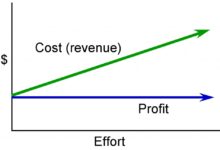
Under the cost plus world market system, higher costs directly translate into higher revenues (due to the markup). This can create perverse incentives where departments or suppliers have little motivation to reduce expenses.
For instance, if a factory manager knows that all costs will be passed on to customers with a 25% profit margin, they may not prioritize energy efficiency or waste reduction. This can lead to bloated operations and reduced competitiveness over time.
To counter this, some firms introduce internal cost benchmarks or performance-based incentives. Others transition to target costing, where the price is set by the market, and costs are engineered downward to meet it.
“Cost-plus can breed complacency,” warns supply chain expert Rajiv Mehta. “Innovation thrives on constraint, not guaranteed margins.”
Real-World Applications of Cost Plus World Market
The cost plus world market strategy is not just theoretical—it’s actively used across industries and geographies. Let’s explore some real-world examples.
Government Contracts and Defense Procurement
One of the most prominent uses of cost plus world market pricing is in government defense contracts. Agencies like the U.S. Department of Defense often use cost-plus contracts for complex, high-risk projects where final costs are difficult to predict.
For example, the development of a new fighter jet involves years of R&D, testing, and production. A cost-plus-fixed-fee (CPFF) contract ensures that contractors are reimbursed for all allowable costs plus a fixed profit, reducing financial risk.
- Cost-Plus-Fixed-Fee (CPFF): fixed profit regardless of final cost.
- Cost-Plus-Incentive-Fee (CPIF): profit varies based on performance.
- Cost-Plus-Award-Fee (CPAF): subjective evaluation determines bonus.
While effective for innovation, these contracts have faced criticism for encouraging cost overruns. More details on defense contracting can be found at DoD Acquisition Website.
Pharmaceuticals and Essential Goods in Developing Nations
In the pharmaceutical industry, cost plus world market pricing is used to ensure access to essential medicines in low- and middle-income countries. Organizations like the World Health Organization (WHO) recommend cost-plus models to balance affordability and sustainability.
For instance, generic drug manufacturers may calculate the cost of producing antiretroviral drugs and add a modest 10–15% markup for distribution in sub-Saharan Africa. This prevents price gouging while ensuring suppliers remain operational.
However, challenges remain. Local taxes, import restrictions, and weak distribution networks can inflate final prices despite the cost plus world market intent. NGOs often step in to subsidize or streamline logistics.
Future Trends and Innovations in Cost Plus World Market
As global markets evolve, so too does the application of the cost plus world market model. New technologies and economic shifts are reshaping how it’s implemented.
Integration with Digital Pricing Tools and AI
Modern enterprises are enhancing the traditional cost plus world market model with artificial intelligence and real-time data analytics. Dynamic pricing algorithms can now adjust markups based on live market conditions, inventory levels, and demand forecasts.
For example, a global logistics firm might use AI to calculate fluctuating fuel costs, port fees, and customs delays in real time, then apply a variable markup to maintain profitability across routes. This hybrid approach retains the safety of cost plus world market while adding market responsiveness.
- AI-driven cost tracking improves accuracy.
- Machine learning predicts regional demand shifts.
- Blockchain ensures transparent cost verification in supply chains.
Platforms like SAP and Oracle offer integrated solutions that combine cost accounting with market intelligence, enabling smarter cost plus world market decisions.
Sustainability and Ethical Considerations
Today’s consumers and regulators demand more than just financial transparency—they want ethical and sustainable practices. The cost plus world market model is being adapted to include environmental and social costs.
For instance, a fashion brand might include the cost of fair wages, eco-friendly dyes, and carbon offsetting in its base cost before applying a markup. This “true cost accounting” aligns with ESG (Environmental, Social, Governance) principles and appeals to conscious consumers.
While this can increase prices, it also builds brand loyalty and reduces long-term risks. As sustainability becomes a competitive advantage, the cost plus world market framework will likely evolve to incorporate broader definitions of “cost.”
“The future of cost-plus isn’t just about money—it’s about impact,” says sustainability consultant Amara Chen.
What is the cost plus world market pricing model?
The cost plus world market pricing model is a strategy where a company calculates the total cost of producing a good or service and adds a fixed percentage markup to determine the selling price in international markets. It ensures cost recovery and predictable profits.
How does cost plus world market differ from market-based pricing?
Cost plus world market is internally focused, based on production and logistics costs plus a markup. Market-based pricing is externally driven, relying on consumer demand, competition, and perceived value to set prices.
Why do governments use cost plus world market in contracts?
Governments use cost plus world market in high-risk, long-term projects like defense or infrastructure because it ensures contractors are reimbursed for legitimate costs while receiving a fair profit, reducing financial uncertainty.
Can cost plus world market lead to overpricing?
Yes, because it doesn’t consider what customers are willing to pay, cost plus world market can result in prices higher than market rates, especially in competitive or price-sensitive regions, potentially leading to lost sales.
Is cost plus world market still relevant in the digital age?
Yes, but it’s evolving. With AI, real-time data, and sustainability metrics, modern cost plus world market models are becoming more dynamic, transparent, and responsive to global market conditions.
The cost plus world market model remains a cornerstone of global pricing strategy, offering stability and predictability in an unpredictable world. While it has limitations—like the risk of overpricing and reduced cost discipline—its benefits in government contracts, pharmaceuticals, and complex supply chains are undeniable. As technology and ethics reshape commerce, the model is adapting, integrating AI, sustainability, and real-time analytics. For businesses navigating international markets, understanding and refining the cost plus world market approach is not just useful—it’s essential for long-term success.
Further Reading:
