If you’re dreaming of lush rainforests, exotic wildlife, and pristine beaches, then Costa Rica is calling your name. This vibrant Central American gem packs a powerful punch when it comes to natural beauty, sustainability, and adventure—all wrapped in a peaceful, eco-conscious nation.
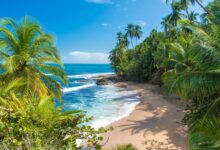
Costa Rica’s Geography and Natural Landscape

Costa Rica, officially known as the Republic of Costa Rica, is a small yet incredibly diverse country located in Central America. Nestled between Nicaragua to the north and Panama to the south, it spans just over 51,000 square kilometers—smaller than West Virginia—but boasts an astonishing range of ecosystems. From the Pacific Ocean to the Caribbean Sea, Costa Rica’s geography is a masterpiece of nature’s design.
Mountain Ranges and Volcanoes
The backbone of Costa Rica’s terrain is formed by several major mountain ranges, including the Cordillera de Tilarán, Cordillera Central, and Cordillera de Talamanca. These ranges are not only scenic but also geologically active. The country is home to over 200 volcanic formations, with around 11 classified as potentially active.
- Volcán Arenal, once one of the most active volcanoes in the world, is a popular destination for hiking and hot springs.
- Volcán Poás features one of the largest and most accessible active craters, with a turquoise acidic lake that bubbles and fumes.
- Irazú Volcano, the tallest in Costa Rica, offers panoramic views and a stark, lunar-like landscape at its summit.
These volcanoes contribute to the country’s rich soil, making agriculture—especially coffee cultivation—thriving in highland regions. The volcanic activity also fuels geothermal energy projects, aligning with Costa Rica’s green energy goals. For more on volcanic activity, visit the Volcano Discovery Costa Rica page.
Coastlines and Marine Ecosystems
Costa Rica is blessed with coastlines on both the Pacific Ocean and the Caribbean Sea, offering vastly different marine environments. The Pacific side features dramatic cliffs, surfing hotspots like Tamarindo and Jacó, and rich marine biodiversity. The Caribbean coast, in contrast, is calmer, with coral reefs, sea turtles nesting on sandy beaches, and a unique Afro-Caribbean cultural influence.
- The Osa Peninsula is often called “the most biologically intense place on Earth” by National Geographic.
- Caño Island Biological Reserve is a top diving destination, known for its clear waters and shark sightings.
- Tortuguero National Park on the Caribbean side is a critical nesting ground for green sea turtles.
The country’s commitment to marine conservation is evident in its network of marine protected areas, which cover over 10% of its territorial waters. These zones help protect endangered species and sustain local fishing communities.
“Costa Rica proves that a small country can lead the world in environmental innovation.” — BBC Travel
Costa Rica’s Biodiversity and Wildlife
Despite covering only 0.03% of the Earth’s surface, Costa Rica hosts nearly 6% of the world’s biodiversity. This extraordinary richness is due to its unique location as a land bridge between North and South America, its varied climate zones, and its extensive network of protected areas.
Protected Areas and National Parks
Over 25% of Costa Rica’s land is protected through national parks, wildlife refuges, and biological reserves. This commitment to conservation has made the country a global leader in environmental protection.
- Corcovado National Park is often compared to the Galápagos for its density of wildlife.
- Monteverde Cloud Forest Reserve is famous for its misty forests and the resplendent quetzal.
- Manuel Antonio National Park combines rainforest and beach, offering easy access to both nature and relaxation.
These parks are managed by SINAC (National System of Conservation Areas), which ensures sustainable tourism and scientific research. For more information on conservation efforts, check out SINAC’s official website.
Iconic Wildlife Species
Costa Rica is a paradise for wildlife enthusiasts. Whether you’re spotting animals on a guided tour or from your hotel balcony, the chances of seeing something extraordinary are high.
- The three-toed sloth, a slow-moving mammal, is a national favorite and commonly seen in rainforest canopies.
- The scarlet macaw, with its vibrant red, blue, and yellow feathers, is a symbol of tropical beauty.
- The poison dart frog, though tiny, is one of the most colorful and toxic amphibians on Earth.
Other notable species include howler monkeys, white-faced capuchins, jaguars (rarely seen), and over 900 species of birds. Birdwatching is a major draw, with events like the Great Backyard Bird Count attracting international participants.
Costa Rica’s Climate and Weather Patterns
Costa Rica enjoys a tropical climate, but its weather is far from uniform. The country experiences two main seasons: the dry season (December to April) and the rainy season (May to November). However, microclimates mean that weather can vary dramatically within short distances.
Regional Climate Variations
Due to its mountainous terrain and dual coastlines, Costa Rica has multiple climate zones. The Central Valley, where the capital San José is located, enjoys a mild, spring-like climate year-round, with average temperatures between 20–25°C (68–77°F).
- The Pacific Northwest (Guanacaste) is the driest region, perfect for beach vacations during the dry season.
- The Caribbean slope receives rain throughout the year, with a slightly drier period in September and October.
- Highland areas like Monteverde are cooler and often shrouded in mist, ideal for cloud forest ecosystems.
This variation allows tourists to plan trips based on preferred weather conditions. For instance, visiting the Caribbean side during the Pacific’s rainy season can still yield sunny days.
Impact of Climate Change
Like many tropical nations, Costa Rica is vulnerable to climate change. Rising temperatures, changing rainfall patterns, and more frequent extreme weather events threaten its ecosystems and agriculture.
- Coffee production, a key export, is at risk due to higher temperatures and new pests.
- Sea level rise could impact coastal communities and turtle nesting sites.
- Droughts in Guanacaste have led to water rationing in recent years.
In response, Costa Rica has launched initiatives like the National Decarbonization Plan, aiming for net-zero emissions by 2050. The country is also investing in climate-resilient infrastructure and reforestation.
Costa Rica’s Culture and Society
Costa Rican culture, often referred to as “Tico” culture, is a blend of indigenous, Spanish, African, and modern influences. Known for their warmth and hospitality, Ticos take pride in their peaceful society and high quality of life.
Language and Daily Life
Spanish is the official language, spoken by the vast majority. However, English is widely understood in tourist areas, and indigenous languages like Bribri and Cabécar are still spoken in remote communities.
- Ticos are known for their phrase “Pura Vida,” which means “pure life” and reflects a laid-back, grateful attitude.
- Family is central to social life, with multi-generational households being common.
- Meals often include rice, beans, plantains, and fresh fruit—a diet known as “gallo pinto.”
The pace of life is generally relaxed, with a strong emphasis on work-life balance. Many businesses close early on weekends, and siestas are still observed in rural areas.
Traditions and Festivals
Costa Rica celebrates a mix of religious and cultural festivals throughout the year. These events showcase music, dance, food, and traditional costumes.
- Independence Day on September 15 is marked by parades, fireworks, and children carrying lanterns.
- Palmares Festival in January is a two-week celebration with concerts, rodeos, and folk dancing.
- Limón Carnival in October honors Afro-Caribbean heritage with reggae, dance, and vibrant costumes.
These festivals are not only cultural expressions but also major tourist attractions, drawing visitors from around the world.
Costa Rica’s Economy and Sustainable Development
Costa Rica has one of the most stable and diversified economies in Central America. While traditionally reliant on agriculture, the country has successfully transitioned to a service- and knowledge-based economy.
Agriculture and Eco-Tourism
Agriculture remains important, with coffee, bananas, pineapple, and palm oil as key exports. Costa Rican coffee, grown in the highlands, is renowned for its quality and is often certified organic or fair trade.
- Eco-tourism is a major economic driver, contributing over 8% of GDP and supporting hundreds of thousands of jobs.
- The country attracts over 3 million tourists annually, many drawn by its national parks and adventure activities.
- Community-based tourism initiatives allow visitors to stay with local families and support rural economies.
The government actively promotes sustainable tourism through certification programs like the CST (Certification for Sustainable Tourism).
Technology and Foreign Investment
In recent decades, Costa Rica has become a hub for technology and manufacturing. Major companies like Intel, HP, and Amazon have established operations in the country, attracted by its skilled workforce and political stability.
- The “Intel Effect” in the 1990s transformed the economy, boosting education and infrastructure.
- Free trade zones offer tax incentives for foreign investors, particularly in high-tech industries.
- The country is investing in renewable energy, with over 98% of its electricity coming from renewable sources in recent years.
This shift has helped reduce poverty and increase access to healthcare and education, contributing to Costa Rica’s high Human Development Index (HDI) ranking.
Costa Rica’s Political Stability and Education System
One of Costa Rica’s most remarkable achievements is its long-standing peace and democratic stability. Unlike many of its neighbors, Costa Rica abolished its military in 1949, redirecting funds to education, health, and environmental protection.
Democracy and Peace
Costa Rica is one of the few countries in the world without a standing army. Instead, it maintains a civil guard for internal security. This decision has allowed the country to invest heavily in social programs.
- The country has held uninterrupted democratic elections since 1949.
- It ranks highly on the Global Peace Index and is often cited as a model for conflict resolution.
- The absence of military spending has freed up resources for healthcare and education.
This commitment to peace has also made Costa Rica a hub for international organizations and peace negotiations.
Education and Healthcare
Costa Rica’s public education system is free and mandatory for children aged 6 to 15. The country boasts a literacy rate of over 97%, one of the highest in Latin America.
- Primary and secondary education are well-funded and accessible, even in rural areas.
- The University of Costa Rica is the largest and most prestigious institution of higher learning.
- Healthcare is provided through a universal system (Caja Costarricense de Seguro Social), offering high-quality care at low cost.
These investments have contributed to a high life expectancy (over 80 years) and low infant mortality rates, rivaling those of developed nations.
Costa Rica’s Adventure Tourism and Outdoor Activities
For thrill-seekers and nature lovers alike, Costa Rica is an adventure playground. Its diverse landscapes offer endless opportunities for outdoor exploration and adrenaline-pumping activities.
Popular Adventure Activities
From zip-lining through the canopy to surfing powerful waves, Costa Rica delivers excitement at every turn.
- Zip-lining (or canopy tours) is one of the most popular activities, with courses in Monteverde, Arenal, and the Pacific coast.
- White-water rafting on the Pacuare and Sarapiquí rivers offers both thrilling rapids and scenic jungle views.
- Surfing hotspots like Santa Teresa, Nosara, and Jacó attract surfers of all levels.
Many tour operators emphasize eco-friendly practices, using local guides and minimizing environmental impact.
Wildlife and Nature Tours
Guided nature tours are a cornerstone of Costa Rica’s tourism industry. These excursions provide educational insights while supporting conservation.
- Night hikes in national parks reveal nocturnal creatures like kinkajous and glass frogs.
- Boat tours along rivers like the Tortuguero canals offer close encounters with caimans, monkeys, and birds.
- Snorkeling and scuba diving trips explore coral reefs and underwater volcanic formations.
Tourism revenue directly funds park maintenance and anti-poaching efforts, creating a sustainable cycle of conservation and economic benefit.
What makes Costa Rica unique compared to other Central American countries?
Costa Rica stands out for its political stability, lack of a military, high environmental protection standards, and strong emphasis on education and healthcare. Unlike many of its neighbors, it has maintained a peaceful democracy for over 70 years and invests heavily in sustainable development.
Is Costa Rica safe for tourists?
Yes, Costa Rica is generally safe for tourists, especially in well-traveled areas. However, petty crime like theft can occur in crowded places or tourist zones. Travelers are advised to stay alert, avoid displaying valuables, and use reputable transportation services.
When is the best time to visit Costa Rica?
The best time to visit is during the dry season, from December to April, when the weather is sunny and ideal for beach and outdoor activities. However, the green season (May–November) offers lush landscapes, fewer crowds, and lower prices, making it a great option for eco-tourists and photographers.
How does Costa Rica generate its electricity?
Costa Rica generates over 98% of its electricity from renewable sources, primarily hydropower, followed by wind, geothermal, solar, and biomass. The country aims to be carbon neutral by 2050 and has made significant progress in decarbonizing its energy sector.
What does ‘Pura Vida’ mean in Costa Rica?
‘Pura Vida’ literally means ‘pure life,’ but it’s used as a greeting, farewell, and expression of gratitude or contentment. It reflects the Costa Rican philosophy of living simply, appreciating the moment, and maintaining a positive outlook on life.
Costa Rica is much more than a tropical getaway—it’s a living example of how environmental stewardship, social progress, and economic development can coexist. From its awe-inspiring biodiversity to its peaceful society and innovative green policies, this small nation continues to inspire the world. Whether you’re exploring its misty cloud forests, lounging on a secluded beach, or engaging with its warm-hearted people, Costa Rica offers a truly transformative experience. It’s a country where nature and humanity thrive in harmony, proving that a better future is not only possible but already happening.
Further Reading:
